Understanding the French curriculum in London and long-term university strategy.
In French schools in London, the question of university applications arises long before the final year of high school. Understanding how the French education system works abroad, from middle school to the French Baccalaureate, is essential to building a coherent and competitive academic pathway.
March always carries a particular atmosphere. It is not yet exam season, but the reassuring momentum of the start of the school year has faded. Second-term reports arrive, and with them comes a more strategic question than ever: what does my child’s academic journey really communicate to universities?
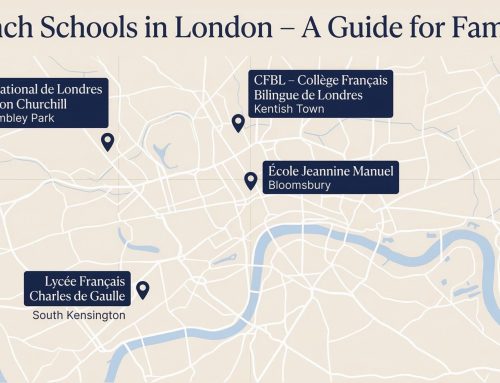
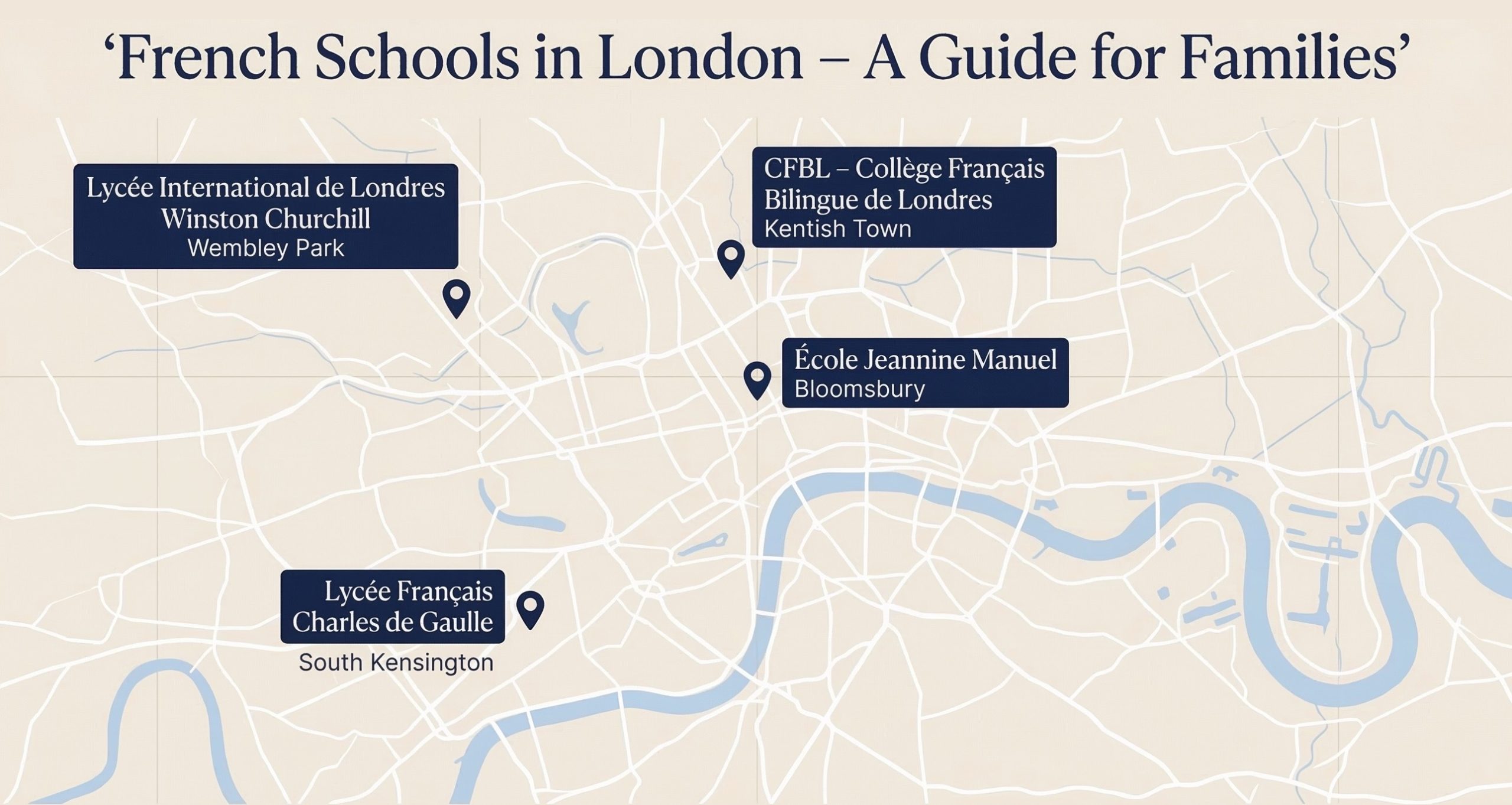
In institutions such as the Lycée Français Charles de Gaulle, the Collège Français Bilingue de Londres, École Jeannine Manuel London or the Lycée International de Londres Winston Churchill, academic success is common. High honours at the French Baccalaureate are frequent. Academic ambition is part of the culture.
Yet when many students achieve strong results, the question shifts. It is no longer simply about passing the Bac. It becomes about understanding how to build a strong, credible and internationally recognised university profile.
A university application is not defined by final grades alone. It reflects progression, coherence and intellectual maturity developed over several years.
It is often assumed that everything depends on the final year. That the last stretch will determine university offers. In reality, the French curriculum operates on cumulative logic. Foundations established in middle school feed into Year 10 (Seconde). Habits developed in Seconde shape success in Year 11 (Première). Subject specialisation choices then structure the academic profile presented in Terminale.
At middle school level, university considerations may seem distant. Yet this is where essential academic skills are formed: structuring thought, analysing instructions carefully, constructing rigorous arguments and organising independent work. These elements may not be dramatic, but they are decisive.
In a bilingual and international environment such as London, students navigate between educational systems. Without a solid methodological base, weaknesses gradually surface as expectations increase, particularly when preparing for the French Baccalaureate in the UK context.
Seconde is often seen as merely transitional. In practice, it is strategic. Strengths become clearer, gaps emerge and early academic orientations begin to take shape. It is the ideal moment to adjust before academic pressure intensifies.
By Première, the student’s academic profile becomes visible. Chosen specialisms send a clear signal to universities. Mathematics, economics, geopolitics, sciences or literature each communicate different academic trajectories. Universities, whether in the UK, France or internationally, read this coherence carefully when assessing applications.
Isolated high performance may impress. Long-term consistency reassures admissions teams.
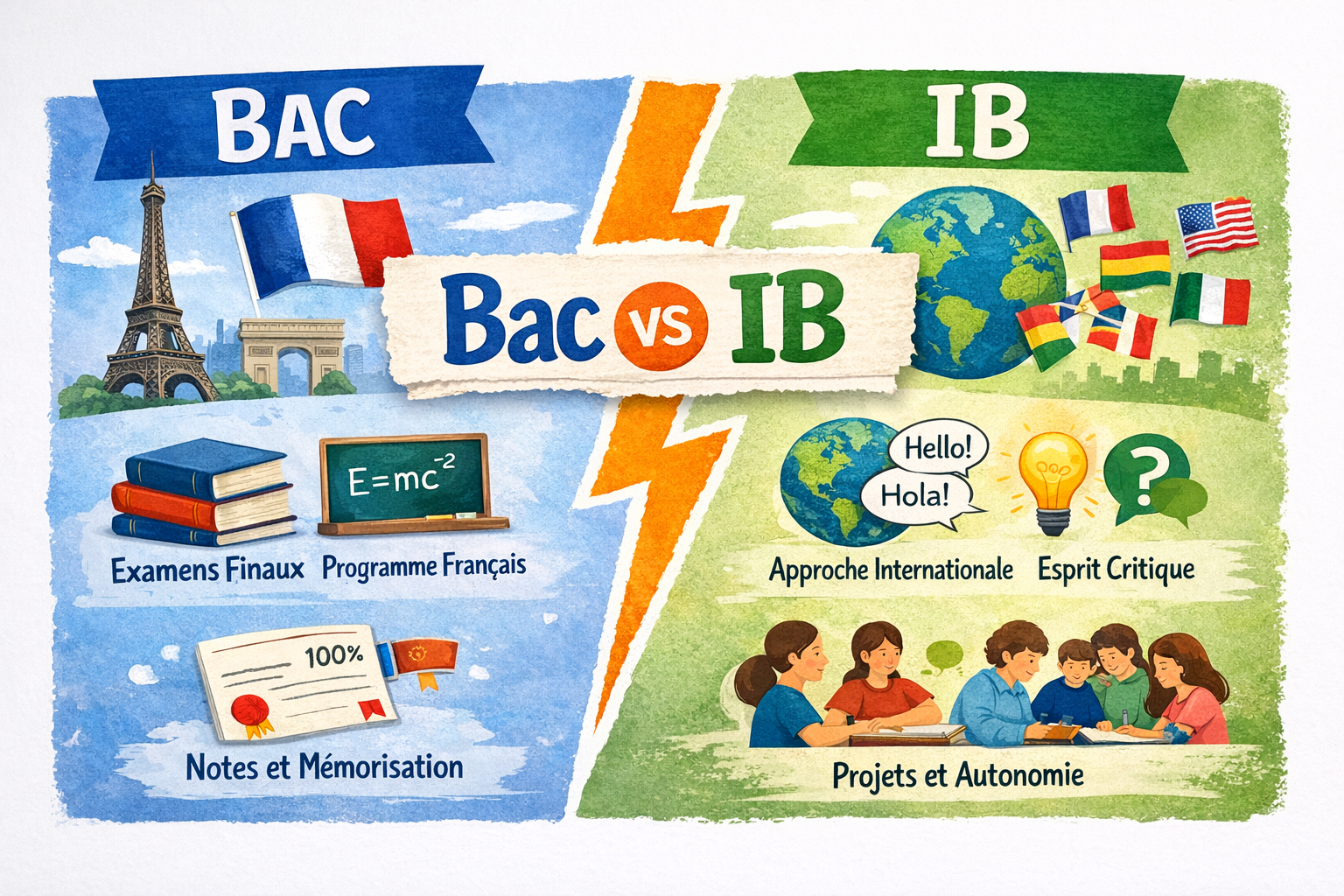
The French Baccalaureate is widely recognised by British and international universities. However, it is interpreted holistically. Admissions teams examine progression over time, stability of results and alignment between subject choices and intended field of study.
Terminale is not the year of radical transformation. It is the year of refinement. When method and organisation are already established, it consolidates a structured academic profile. When foundations are fragile, pressure becomes disproportionate.
Academic excellence within the French curriculum is not built in urgency. It develops progressively, often quietly, across several key academic stages.
Tutoright is a London-based specialist supporting students enrolled in the official French national curriculum in the United Kingdom. We focus on methodological structure, strategic subject selection and the progressive development of strong university applications aligned with both French and British higher education expectations.
A strong university application is not created at the last minute. It is built.