
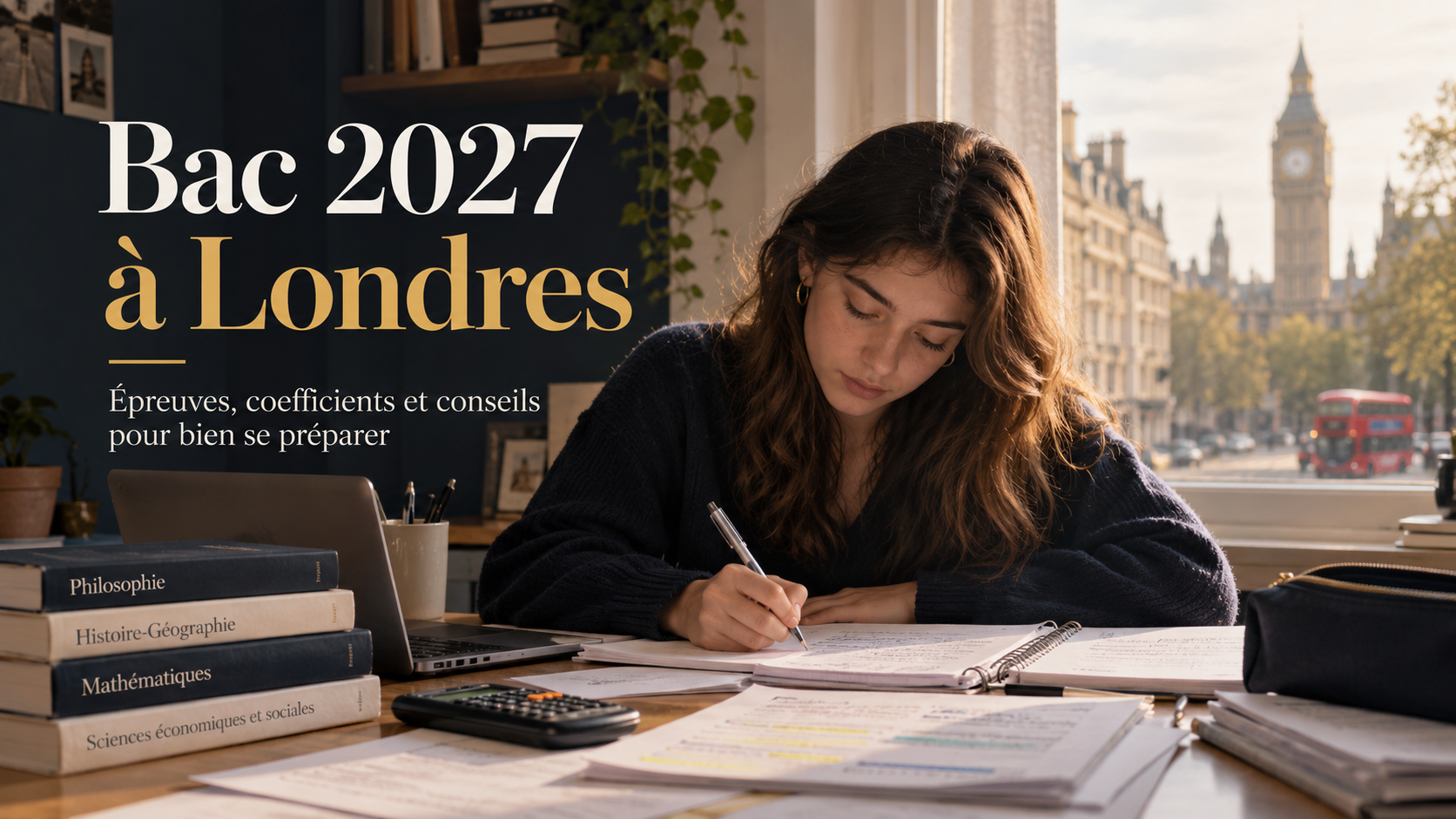
French Baccalaureate 2027 in London: exams, grading and preparation
Continuous assessment, subject specialisms, the new mathematics exam, exam dates and university applications: what parents of students following the French curriculum in London need to know. The French Baccalaureate, commonly known as the Bac, has changed considerably in recent years. And for parents, keeping up with the different requirements is not always straightforward. Do grades from Première really matter? What happens if a student drops Mathematics before Terminale? Has the weighting of the Grand Oral changed? And when should students actually start preparing for their exams? At Tutoright, these are questions we hear regularly from families navigating the French education

Getting ready for September: why summer is the best time to get ahead
The summer holidays are a time for children to relax, recharge and enjoy a well-earned break after a busy school year. They provide an opportunity to spend time with family, travel and return to school in September feeling refreshed. At Tutoright, we believe holidays should remain exactly that, holidays. Yet as August approaches, many parents begin asking the same questions. Will my child be ready for the new school year? Would a few lessons before September help them feel more confident? How can we prepare for the year ahead without turning the summer into endless revision? The answer is often
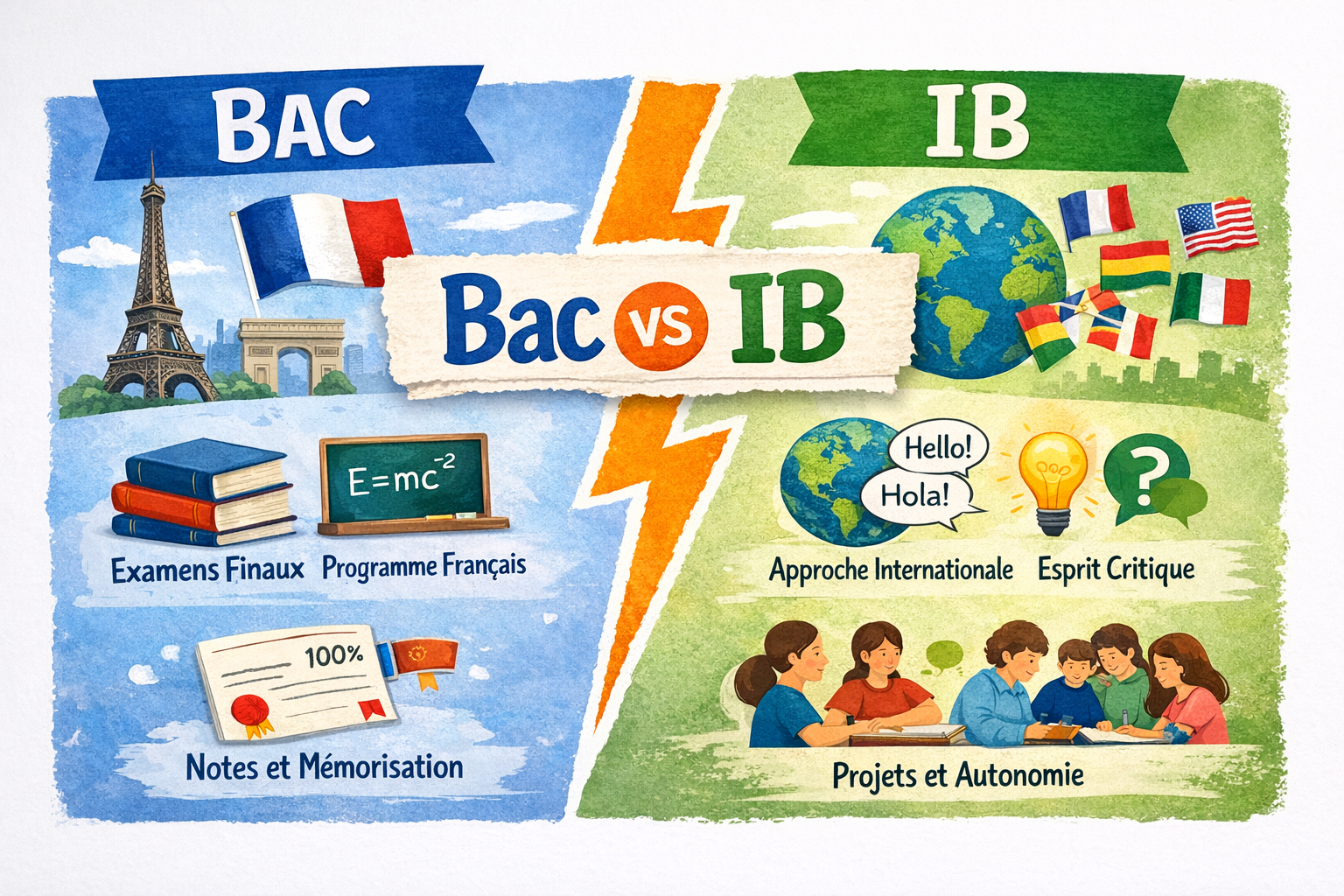
IB or the French Baccalaureate in London: Which is the right choice for your child?
In London, more and more French and international families find themselves facing a strategic decision: should they choose the French Baccalaureate or the International Baccalaureate, better known as the IB? On paper, both qualifications are respected, demanding and capable of opening excellent doors. In reality, they do not shape the same kind of students, and they do not lead to the same academic path. This is where many parents get it wrong: they choose a school, when what they really need to choose first is a system. The real issue is not just a school’s reputation. It is understanding which
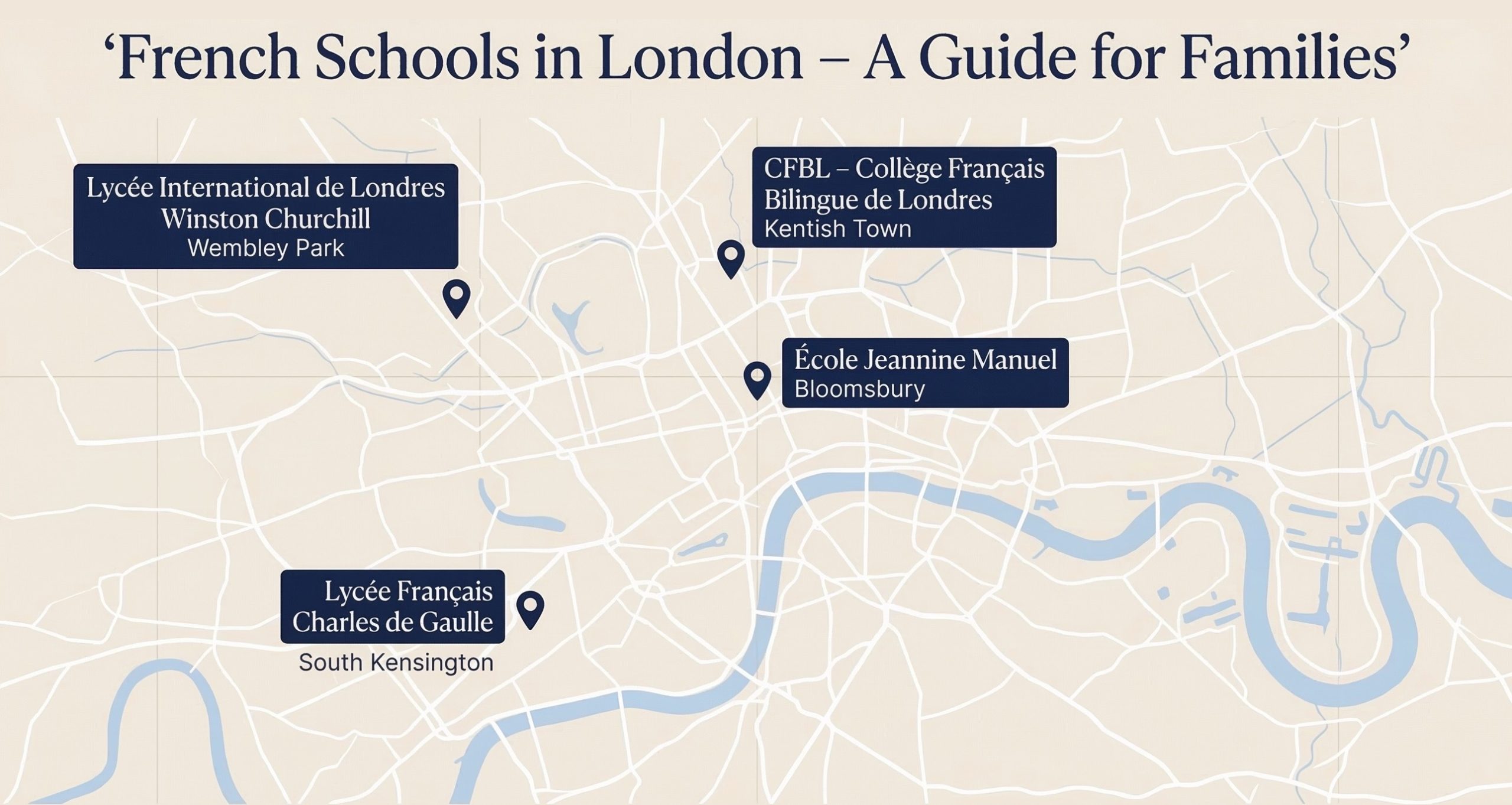
French Secondary Schools in London : A Guide for Families
London offers several schools following the French curriculum, but their academic pathways can differ significantly. For families moving to London or planning their child’s long-term education, understanding these differences is essential, especially when thinking about university options in France, the UK or internationally. Each offers a different academic environment and different options in the final years of secondary school. Overview of French secondary schools in London School Location Academic pathways Notes Lycée Français Charles de Gaulle South Kensington French Baccalauréat, BFI, European Section, British Section (GCSE / A-Levels) Historic French lycée in London Lycée International de Londres Winston Churchill Wembley

Private tutoring vs group classes for French exams: what works best for the Brevet and Baccalauréat?
When students approach major French exams such as the Brevet or the Baccalauréat, many parents ask the same question: Is private tutoring more effective than group classes? In international cities like London, group tutoring programmes are very common. They promise structure, motivation, and lower costs. But when the goal is serious preparation for demanding national exams in the French education system, the answer is often more nuanced. After years working with students following the French curriculum in London and internationally, one pattern appears very clearly: certain approaches consistently help students improve while others slow progress. Do students preparing for the

French Schools in London: How to Build a Strong University Application from Middle School to the Baccalaureate
Understanding the French curriculum in London and long-term university strategy. In French schools in London, the question of university applications arises long before the final year of high school. Understanding how the French education system works abroad, from middle school to the French Baccalaureate, is essential to building a coherent and competitive academic pathway. March always carries a particular atmosphere. It is not yet exam season, but the reassuring momentum of the start of the school year has faded. Second-term reports arrive, and with them comes a more strategic question than ever: what does my child’s academic journey really communicate

French-speaking children in London: which school pathway really opens which doors?
There’s a question that comes up regularly in conversations with francophone families in London. “We’re following the French curriculum… but how does that position our child within the UK system?” Behind that question, there isn’t doubt about the quality of French education. There’s another concern: How is the Bac perceived compared to A-levels or the IB? Will UK universities view it as equally competitive? Are we keeping all options open or narrowing them without realising it? And will we only understand the implications when it’s too late to adjust? In London, the challenge is understanding how different systems connect and

French school system vs UK curriculum: what families actually experience
This is usually not a question families ask in advance. Most parents we work with only start comparing the French school system and the UK curriculum once something feels off: a drop in grades, a child losing confidence, or a possible school move that suddenly feels much more complicated than expected. At Tutoright, we see this situation every year. And while both systems are academically strong, they work in very different ways, often in ways parents don’t expect. Age groups and structure: similar on paper, different in reality Age French system UK system 3–5 Maternelle Nursery / Reception 6–10 École

Brevet explained: what is the French Brevet and how can your child prepare?
If your child is in Year 9 (Troisième) in the French system, you’ve probably started hearing about the Brevet. Some parents dismiss it: “It doesn’t really count, right?” Others worry quietly: “Is this their first real national exam? What if they panic?” The truth sits somewhere in between. The Brevet is not as decisive as the Baccalauréat but it matters more than many families realise. Let’s answer the real questions parents ask. What exactly is the Brevet? The Diplôme National du Brevet is the first national exam French students sit at the end of Troisième (around age 14-15). It marks
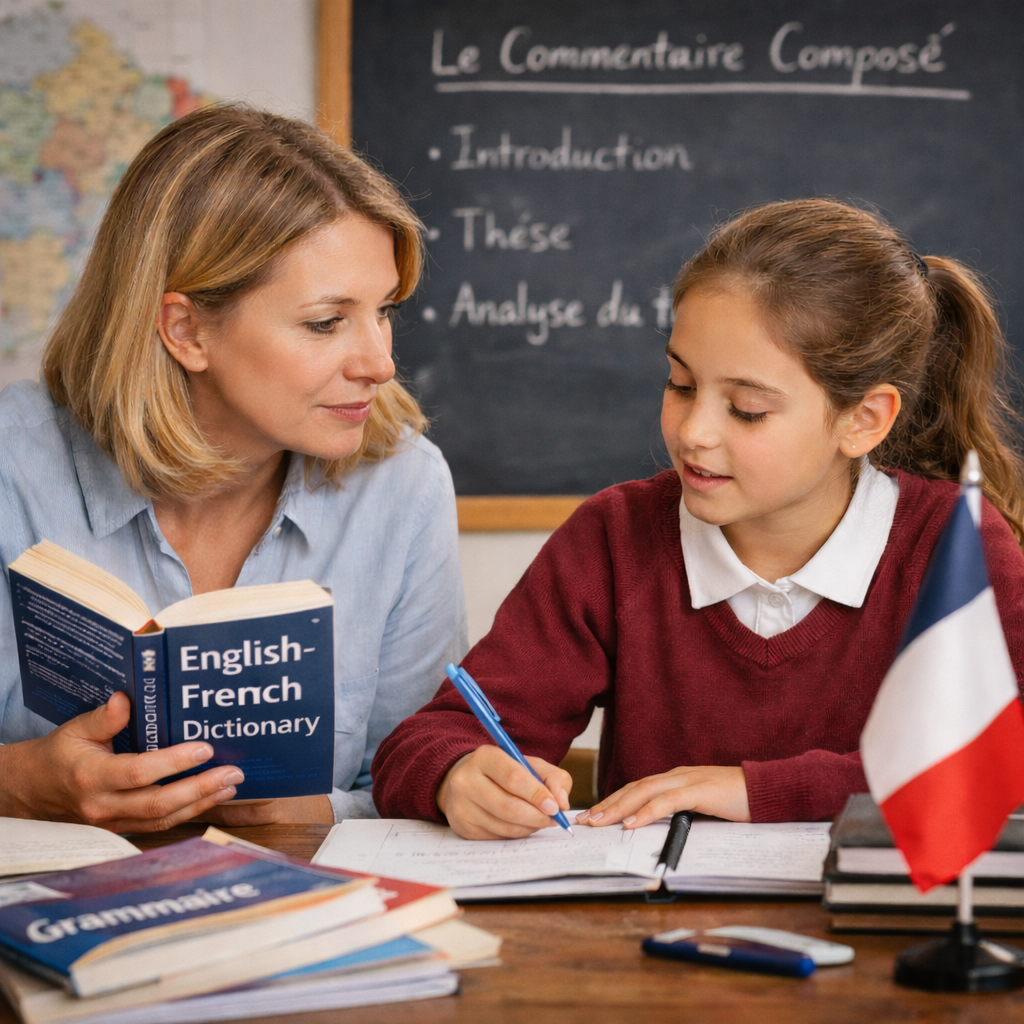
How to Support Your Child in the French Curriculum When You Don’t Speak French
Many international families in London choose French schools for their academic rigour and long-term opportunities. But when homework, exams, and school communication are entirely in French, and you don’t speak the language, supporting your child can quickly become stressful. If you’re wondering: How can I help if I don’t understand the homework? Am I failing my child by not speaking French? How do other non-French parents cope? You’re not alone, and there are practical solutions. Is It a Problem If One Parent Doesn’t Speak French? Short answer: no, if the right support is in place. Many successful students in