In London, more and more French and international families find themselves facing a strategic decision: should they choose the French Baccalaureate or the International Baccalaureate, better known as the IB?
On paper, both qualifications are respected, demanding and capable of opening excellent doors. In reality, they do not shape the same kind of students, and they do not lead to the same academic path. This is where many parents get it wrong: they choose a school, when what they really need to choose first is a system.
The real issue is not just a school’s reputation. It is understanding which framework gives your child the best chance to thrive, stay confident and achieve strong results over time.
The French Bac and the IB: two very different philosophies
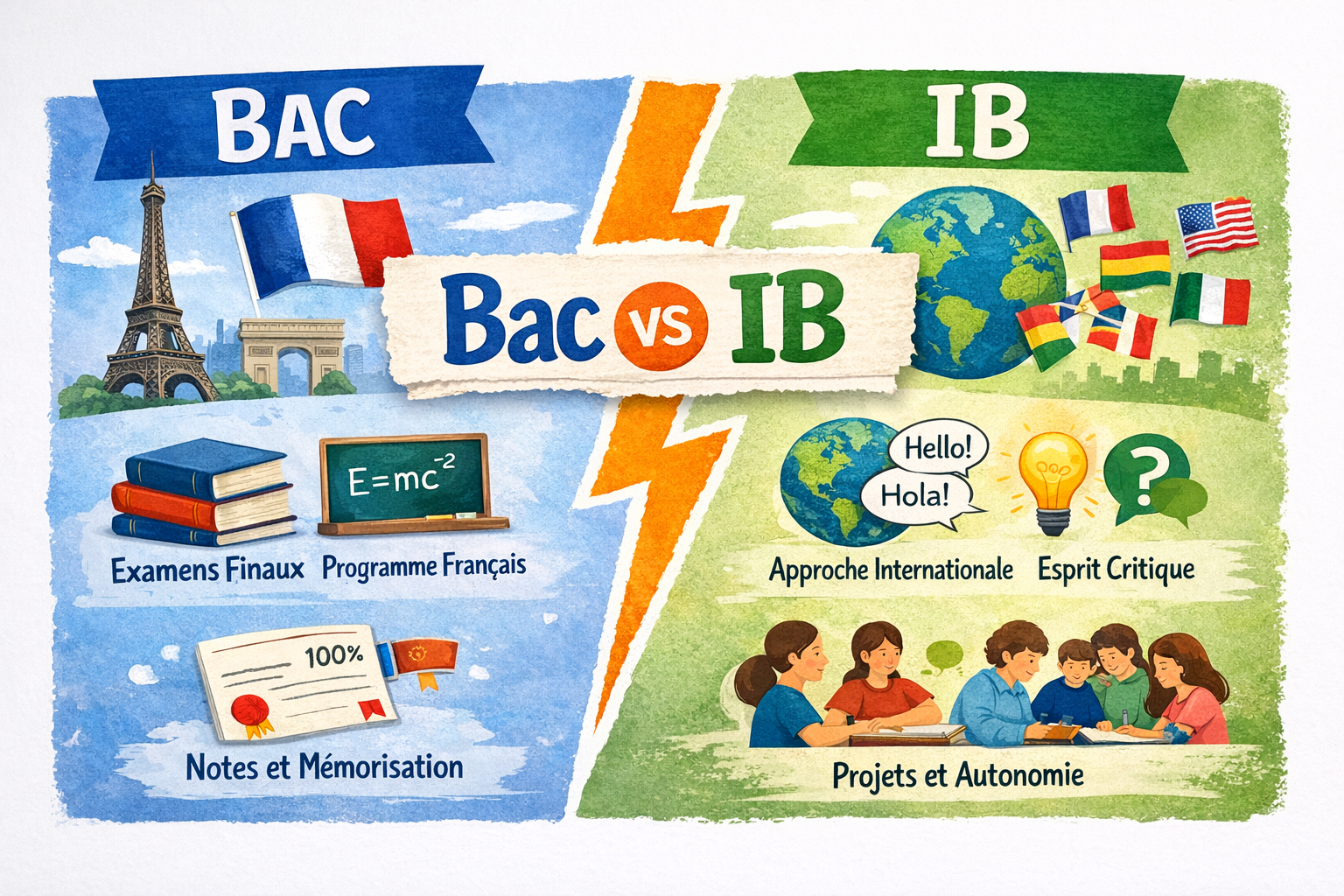
The French Baccalaureate is built around rigour, academic depth and structure. The French system places great value on core knowledge, precision, written work and formal argument. Students are trained to think in depth, organise their ideas and perform within a demanding academic framework.
It is a highly effective system for students who are serious, consistent and capable of handling a substantial academic workload. It tends to suit those aiming for demanding higher education paths such as medicine, engineering or the French classes préparatoires, and those who are comfortable in a highly structured academic environment.
The IB is built differently. It follows a more international and cross-disciplinary philosophy, with greater emphasis on independence, reflection and project-based work. Students certainly develop knowledge, but they also build strong skills in synthesis, analysis, organisation and critical thinking. The Extended Essay, Theory of Knowledge and CAS are clear examples of that approach.
This often makes the IB a strong fit for well-rounded students who are independent, able to manage multiple deadlines and drawn to British or other international universities. One mistake parents often make, however, is assuming the IB is easier than the French Bac. It is not. It is simply demanding in a different way.
The real issue: university plans and long-term direction
This is where the choice becomes genuinely strategic.
If the goal is clearly France, the French Baccalaureate remains the most natural option. It aligns perfectly with Parcoursup, it is immediately understood by admissions panels, and speciality subjects are easily recognised within the French system. The IB is accepted, of course, but it is less intuitive within that framework.
If the goal is the United Kingdom, both qualifications can work well. The French Bac is well recognised, especially when combined with strong speciality choices and high grades. The IB, on the other hand, often benefits from being perceived as more international. But families should stay realistic here: British universities look above all at grades, the consistency of the academic profile and the strength of the personal statement. The diploma alone does not decide the outcome.
For broader international ambitions, particularly in the United States or Canada, the IB often has an advantage in terms of visibility. Its format is standardised, its recognition is global, and it naturally presents an international student profile. That said, an excellent French Bac student with the right support and strong preparation can still be highly competitive.
Where the real difference is made
What many families realise too late is that the decisive factor is not simply the programme itself. It is the support around the student.
In London, it is common to see IB students overwhelmed by deadlines, and Bac students drowning under the sheer volume of work, especially during key transition years. The system alone guarantees nothing. What truly makes the difference is structure, guidance and the ability to stay on top of things before problems begin to build.
A strong system with poor support can lead to stagnation, loss of confidence and disappointing outcomes. By contrast, a well-supported student can turn solid potential into a genuinely outstanding application.
The mistakes parents often make
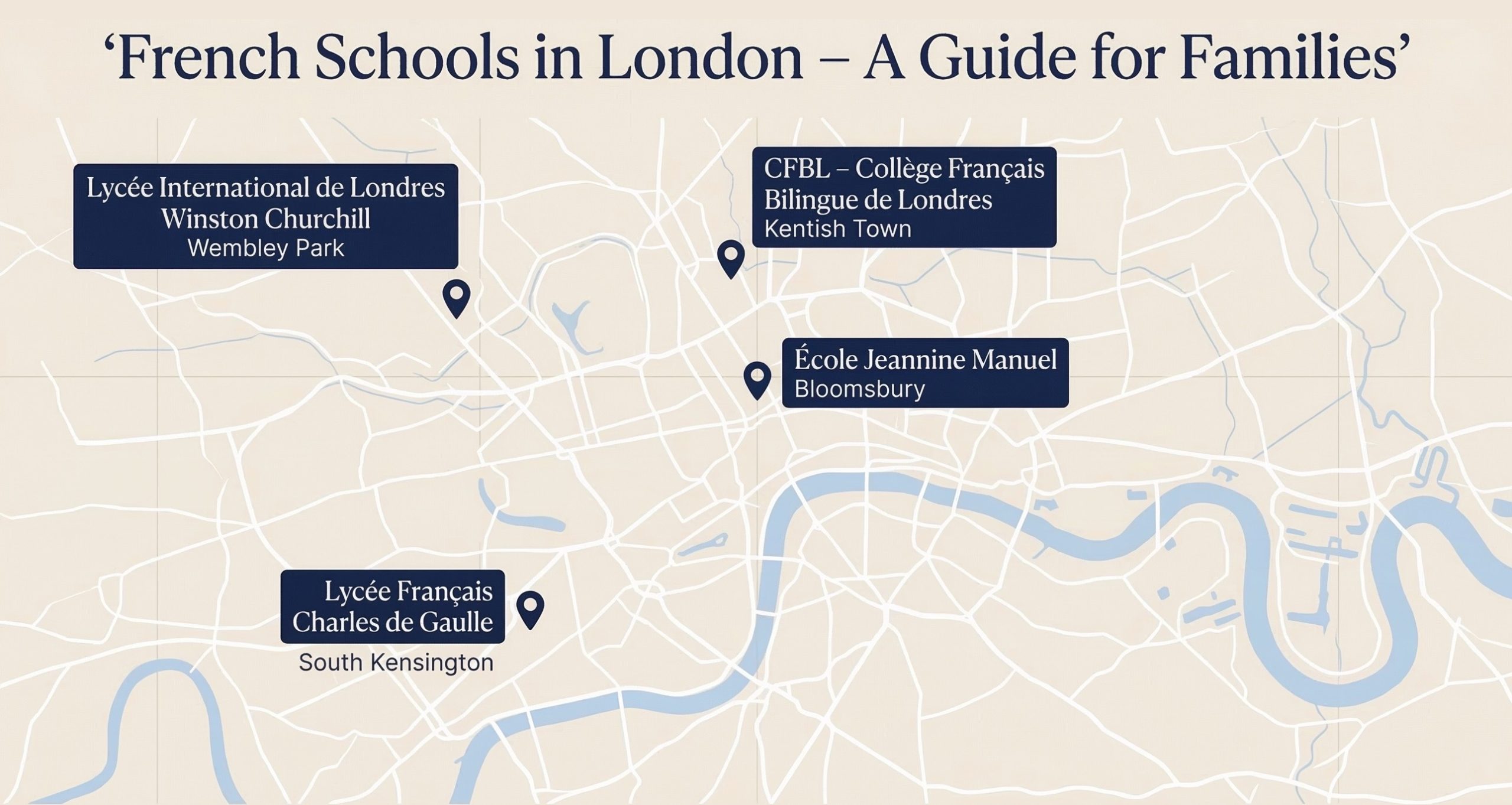
One of the most common mistakes is choosing a school for its reputation without asking whether the academic system it offers genuinely fits the child. Saying, for example, “I want Jeannine Manuel, so it has to be IB” is a poor line of reasoning. A prestigious school does not automatically compensate for the wrong academic fit.
Another common mistake is assuming that the IB is lighter than the French Bac. In reality, it is just as demanding, only differently so. In the French system, the pressure often comes from academic density and exam performance. In the IB, it comes more from time management, project work and continuous assessment.
Finally, many families underestimate the transition into Seconde or Year 12. Yet this is often the stage when grades begin to drop, motivation weakens and gaps start to appear. It is a critical phase, and one that deserves close attention.
How to make the right choice in practice
To think more clearly about the decision, it helps to come back to three simple questions.
First, does your child work better in a structured environment or a more independent one? A student who needs a clear framework, stable expectations and a highly guided progression will often be better suited to the French Bac. A student who is more independent, capable of organising their own work and managing different demands at once, may thrive more naturally in the IB.
Second, where do they want to study? If France is the main goal, the Bac remains the most logical pathway. If the plan is more British or international, the IB may be a very coherent option, although an excellent French Bac can also work extremely well.
Third, and perhaps most importantly, does your child need close guidance? If the answer is yes, then the system alone will never be enough. Strong academic support will matter whatever route you choose.
Why tutoring can make all the difference
In London, standards are high, but even more importantly, competition is intense. The right support can help students avoid the drop that often happens in Seconde or Year 12, structure their workload, manage academic pressure more effectively and optimise their results.
Most importantly, it can turn a good student into a genuinely strong application. That is often the point at which the difference is made between a path that is simply endured and one that is actively built.
The most strategic families do not just choose a school. They start thinking ahead from Year 10 or Troisième, put regular academic support in place early, and make subject and university choices with real foresight. The result is simple: less stress, better outcomes and more options when it matters most.
Conclusion
Choosing between the IB and the French Baccalaureate is not really a question of raw academic level. It is a question of profile, goals and strategy.
In both cases, one reality remains the same: without the right support, the risk of stagnation is real. With the right structure, however, the results can be exceptional.
Need clarity?
At Tutoright, we support students in both the French and international systems in London. We help families choose the right path, structure their child’s workload and aim for the best university outcomes.
Get in touch for a personalised conversation.